
Key Benefits of Specifying the Correct Wire Mesh
Selecting the correct woven wire mesh specification is critical for industrial performance. The wrong mesh can reduce flow rates, increase maintenance, shorten service life, or compromise filtration accuracy.
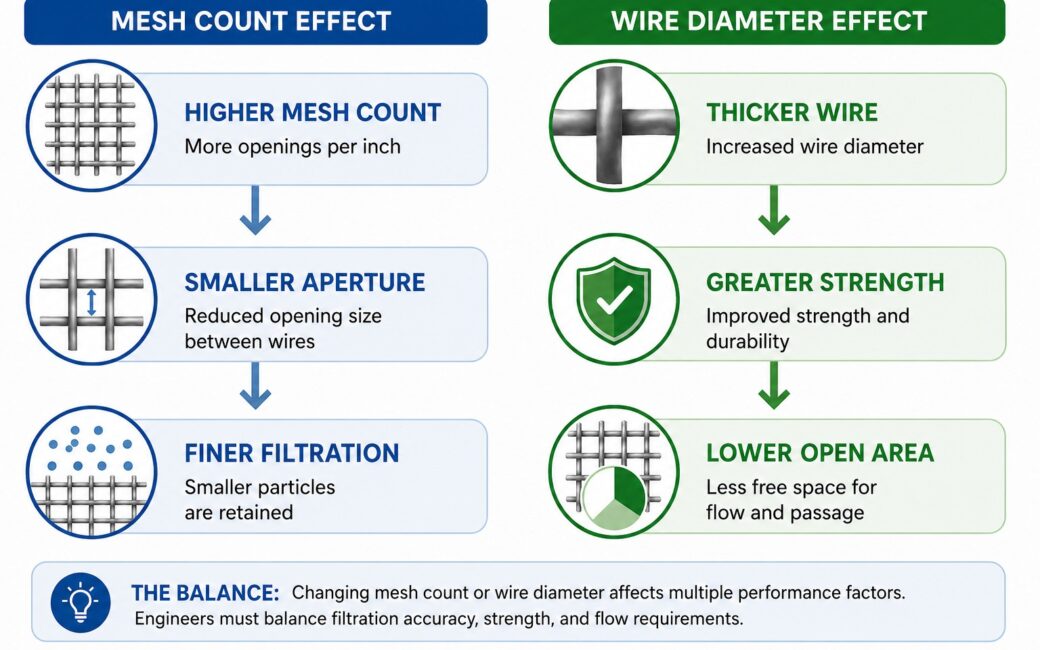
Engineers must balance several technical factors. These include mesh count, wire diameter, aperture size, open area, weave type and material selection. Each parameter affects strength, flow, filtration efficiency and durability.
At Locker Wire Weavers Ltd, woven wire mesh has been manufactured for industrial applications since 1878. The company supplies mesh for filtration, screening, separation, architectural and process applications across multiple industries.
Key Benefits of Correct Wire Mesh Specification
- Improved filtration efficiency
- Better flow rates and reduced pressure drop
- Longer operational life
- Reduced product contamination
- Greater resistance to wear and corrosion
- Improved cleaning performance
- Lower maintenance costs
- Consistent particle separation accuracy
Understanding Woven Wire Mesh Specification
A typical industrial wire mesh guide focuses on five core specification areas:
1. Mesh count
2. Wire diameter
3. Aperture size
4. Open area percentage
5. Weave type and material
These variables work together. Changing one parameter often affects the others.
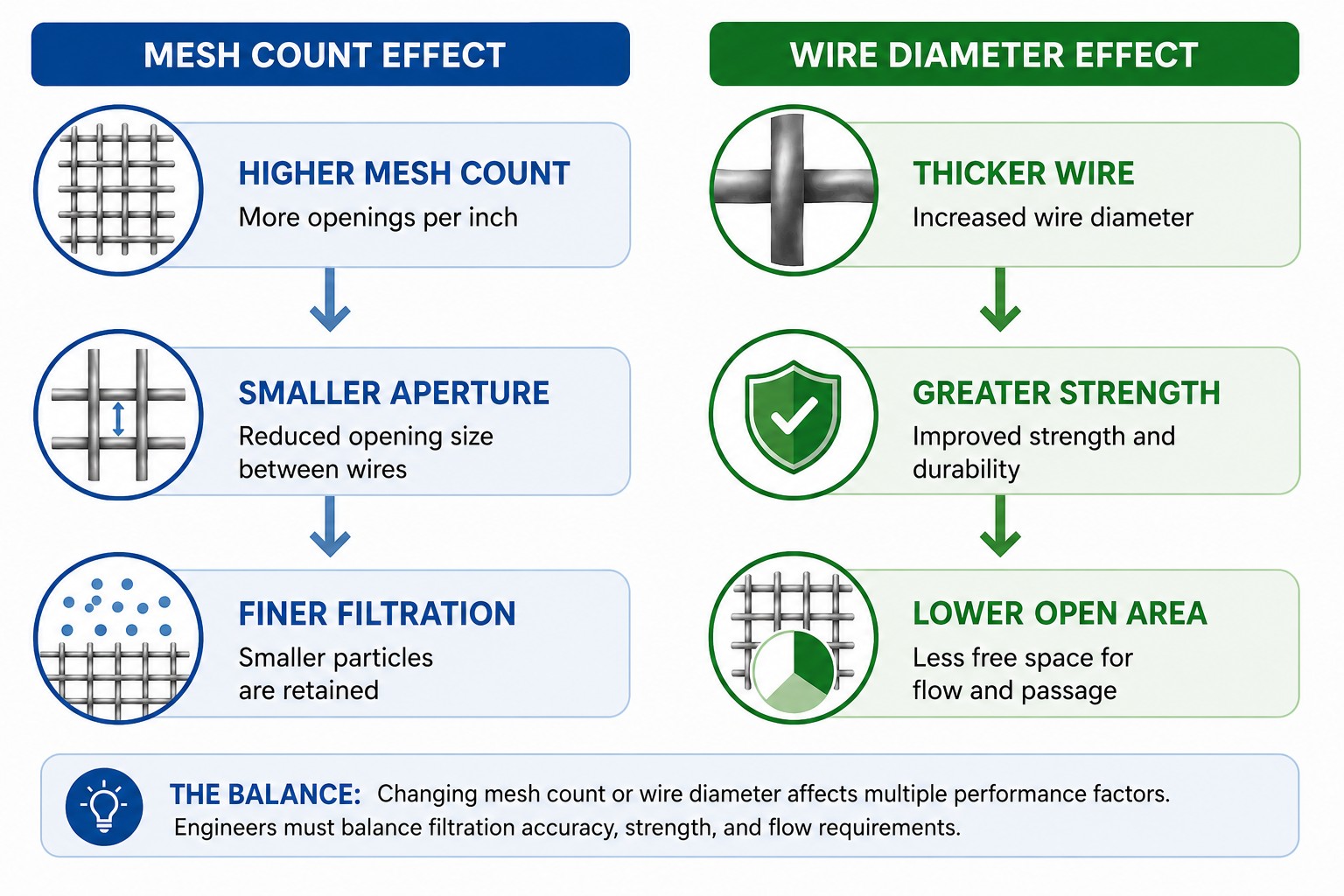
For example, increasing wire diameter improves strength. However, it also reduces aperture size and open area.
What is mesh count?
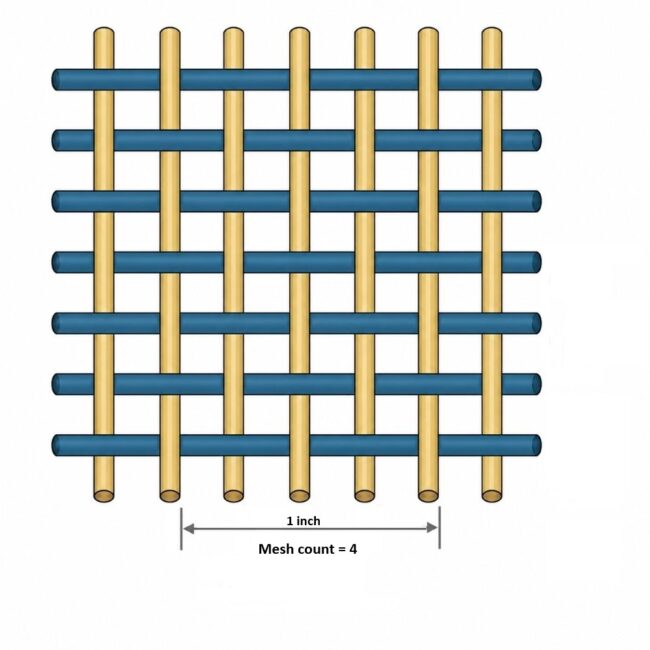
Mesh count refers to the number of openings per linear inch.
For example:
- 10 mesh = 10 openings per inch
- 100 mesh = 100 openings per inch
- 250 mesh = 250 openings per inch
Higher mesh counts produce finer filtration.
Historically, woven wire mesh was commonly identified using mesh count terminology. Although modern standards increasingly define mesh by aperture and wire diameter, mesh count remains widely used throughout industry.
Mesh Count vs Aperture
Many engineers confuse mesh count vs aperture. However, they are not the same.
- Mesh count measures the number of openings
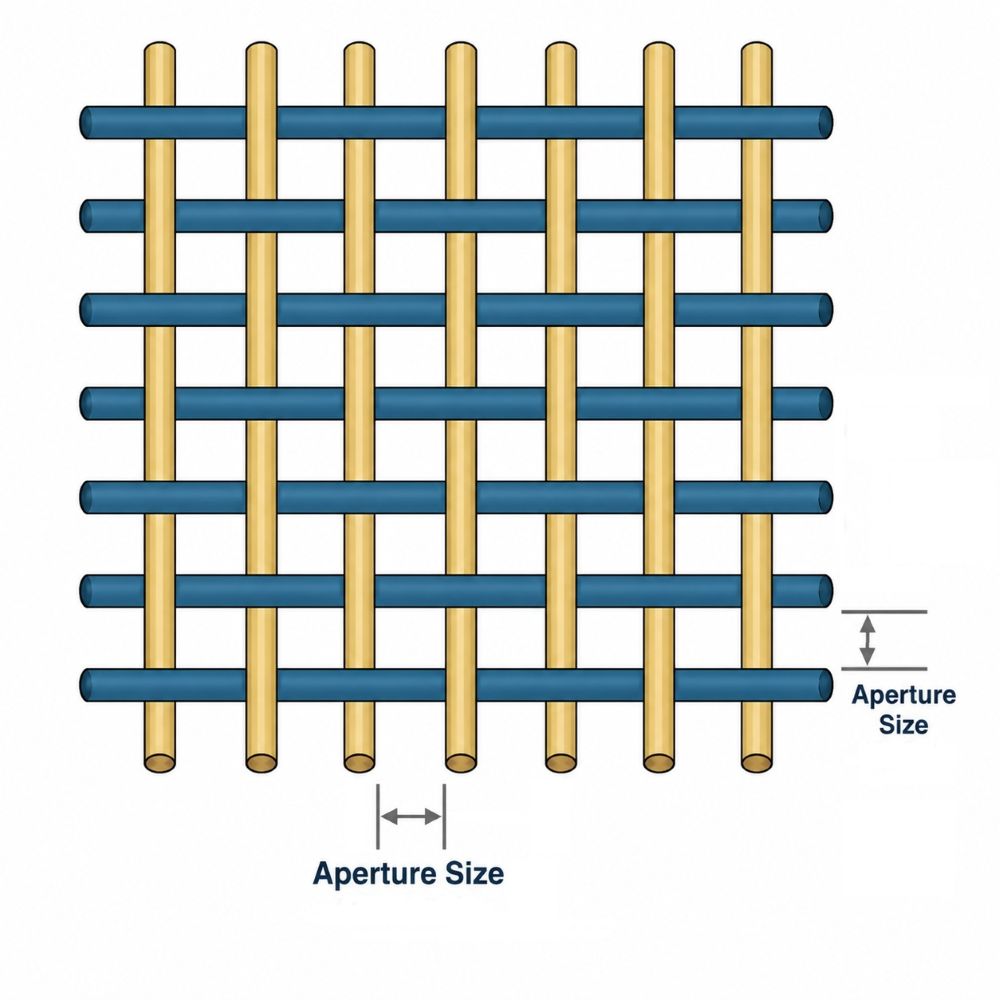
- Aperture measures the actual opening size
Two meshes may share the same mesh count but have different apertures because of differing wire diameters.
Example
| Mesh Count | Wire Diameter | Aperture |
| 50 mesh | 0.20 mm | 0.308 mm |
| 50 mesh | 0.16 mm | 0.348 mm |
Reducing wire diameter increases aperture size and open area.
What Is Aperture Size?
Aperture refers to the clear opening between adjacent wires. This dimension directly controls:
- Particle retention
- Screening accuracy
- Flow rate
- Separation performance
In filtration applications, aperture size is often more important than mesh count.
Typical Aperture Applications
| Aperture Range | Common Application |
| 5 mm+ | Aggregate screening |
| 1 mm – 5 mm | Industrial grading |
| 100–1000 micron | Process filtration |
| Below 100 micron | Fine filtration |
Industrial processes often specify aperture size based on the maximum particle size allowed through the mesh.
Understanding Wire Diameter
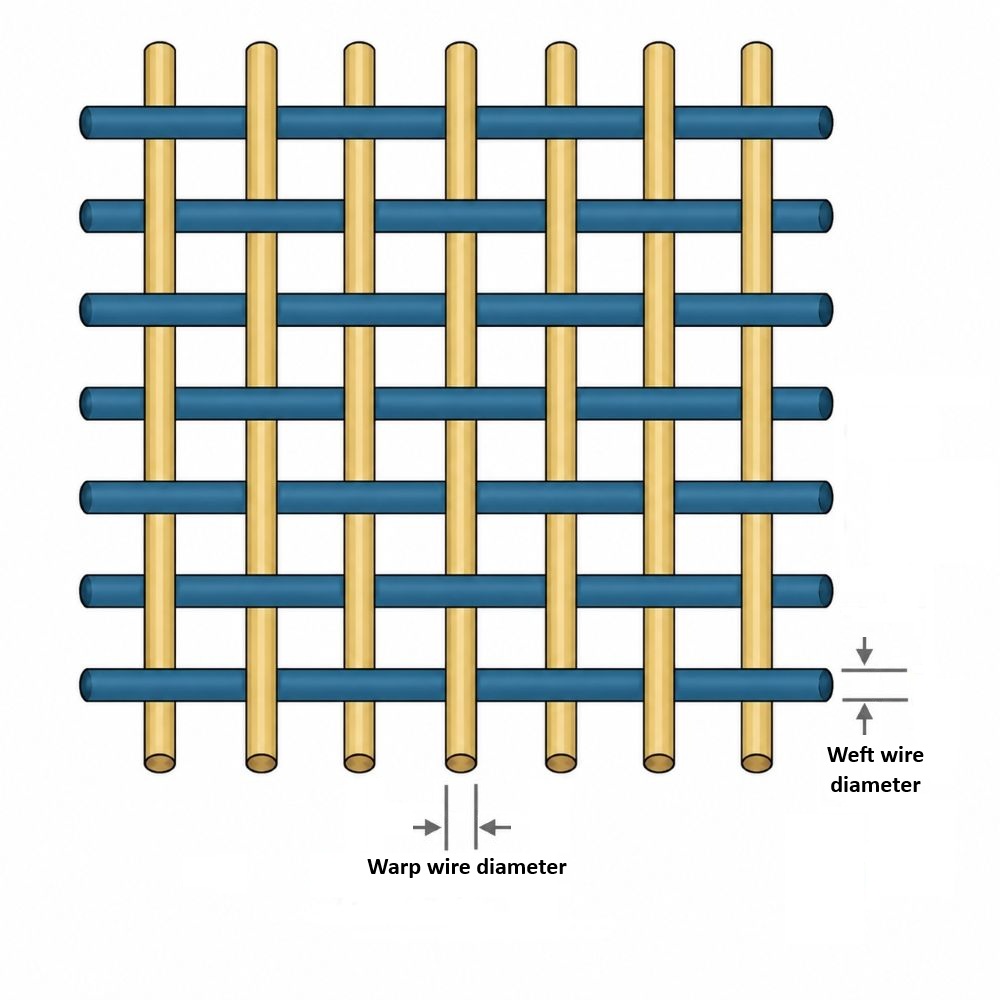
Wire diameter determines the thickness of the woven wire.
This specification affects:
- Mechanical strength
- Wear resistance
- Rigidity
- Pressure resistance
- Open area
Thicker wires create stronger mesh. Nevertheless, they also reduce the free opening area.
When Thicker Wire Is Beneficial
Heavier wire diameters are often specified for:
- Vibrating screens
- Mining applications
- High-pressure filtration
- Abrasive materials handling
- Structural screening
By contrast, fine filtration applications usually require thinner wires to maximise aperture precision.
Why Open Area Matters
Open area is the percentage of free space within the mesh.
Higher open area generally provides:
- Improved airflow
- Better liquid flow
- Lower pressure drop
- Reduced blinding risk
However, high open area usually reduces mechanical strength.
Open Area Formula
A simplified calculation is:
Open Area % =
(Aperture ÷ (Aperture + Wire Diameter))² × 100
Example
| Aperture | Wire Diameter | Open Area |
| 0.308 mm | 0.20 mm | 36.8% |
| 0.411 mm | 0.224 mm | 41.9% |
These values align with common industrial mesh specifications.
Locker's wire mesh calculator
Locker's wire mesh calculator does the hard work for you, calculating aperture size, percentage open area, and weight per square metre from the mesh count and wire diameter.
Choosing the Correct Weave Type
Weave type significantly affects mesh behaviour.
Different weave patterns influence:
- Strength
- Surface smoothness
- Filtration precision
- Flow rate
- Flexibility
Plain Weave
Most Common Industrial Weave
In a plain weave, each wire passes alternately over and under adjacent wires. Warp and weft wires are usually the same diameter.
Benefits
- Excellent dimensional stability
- Good flow rates
- Cost-effective
- Suitable for most screening applications
Plain weave is used for the majority of commercial applications and for filtration where a high flow rate is required.
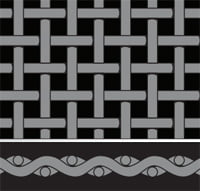
Twill Weave
Twill weave allows heavier wires within finer mesh counts. Each weft wire passes alternately above and below every pair of warp wires and vice versa.
Benefits
- Greater strength
- Improved wear resistance
- Better for fine filtration
This weave is often selected where additional durability is required.
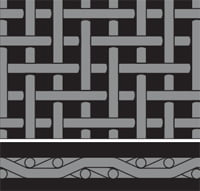
Plain Dutch Weave
Plain Dutch weave is woven as a plain weave but uses larger diameter warp wires and tightly woven weft wires.
Benefits
- High strength
- Excellent particle retention
- Good flow characteristics
This weave is commonly used in industrial filtration systems.
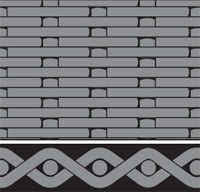
Dutch Twill Weave
Dutch twill weave combines fine filtration with high mechanical strength.
Benefits
- Extremely fine filtration
- Smooth surface
- Suitable for high-pressure applications
This specification is frequently used in critical filtration systems.
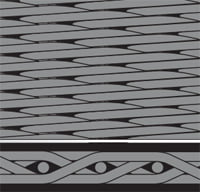
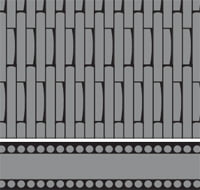
Reverse Dutch Weave
Reverse Dutch weave is normally woven as a plain weave, but the weft wires are of larger diameter than the warp wires. Consequently, the warp mesh count is greater than the weft mesh count.
Benefits
- Extremely high strength
- Easily Cleaned
- High flow rate
This weave is commonly used in plastic filtration systems.
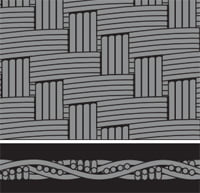
Multiplex Weave
Multiplex weave is a twill weave mesh but with multiple wires for warp and weft. In certain constructions it can produce a capillary action.
Benefits
- High strength
- Relatively high number of openings per unit area
- Very flexible
This weave is used for large area, heavy duty industrial filtration systems.
Selecting the Correct Material
Material choice affects corrosion resistance, temperature capability and mechanical performance.
Stainless Steel Wire Mesh
Stainless steel wire mesh remains the most common industrial option.
Grades such as 304 and 316 are widely used because they provide:
- Corrosion resistance
- Good mechanical strength
- High temperature capability
- Long service life
Locker stocks many popular specifications in stainless steel grades 304 and 316.
Typical Stainless Steel Selection
| Grade | Typical Use |
| 304 | General industrial use |
| 316 | Marine and chemical environments. Food grade applications. |
| 321 | High temperature applications |
| 904L | Highly corrosive conditions |
| 430 | Ferritic ss, magnetically detectable, commonly used in food applications |
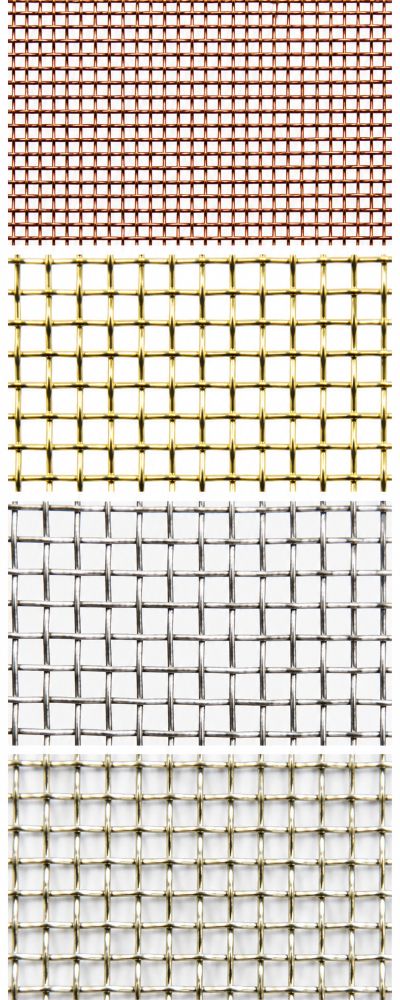
Other Industrial Wire Mesh Materials
Certain applications require specialist alloys.
Common Alternatives
-
- Mild steel
- Galvanised steel
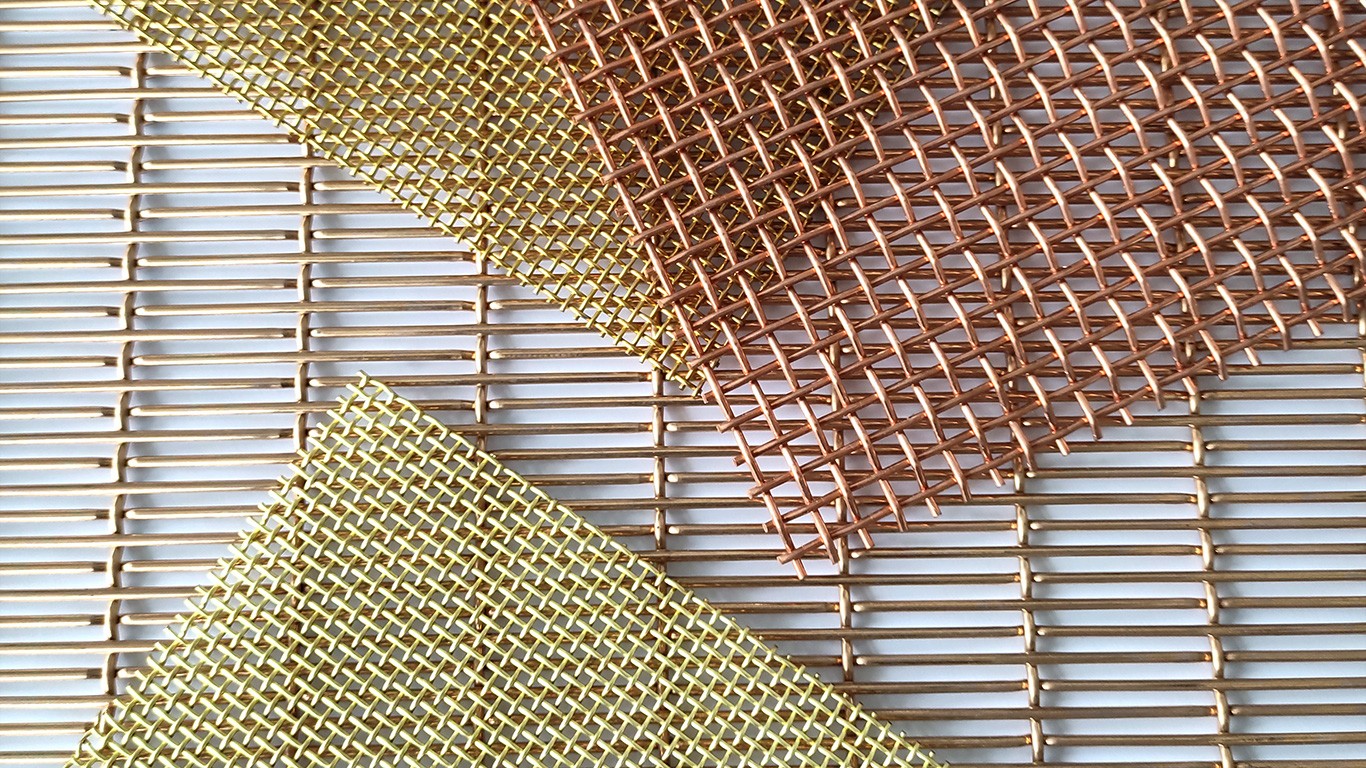
- Brass
- Copper
- Phosphor bronze
- Aluminium
- Monel
- Inconel
- Hastelloy
These materials are selected based on:
- Chemical compatibility
- Electrical conductivity
- Heat resistance
- Abrasion resistance
Locker can weave mesh using virtually any weavable metal.
How Engineers Match Mesh to Applications
The specification process should begin with the application requirements.
Questions Engineers Typically Ask
What particle size must be retained?
This determines aperture requirements.
What flow rate is required?
Higher flow rates generally require greater open area.
Is abrasion present?
Abrasive applications need heavier wire diameters.
Will the mesh face corrosion?
Material selection becomes critical in chemical or marine environments.
Is pressure involved?
High-pressure filtration often requires Dutch weave constructions.
Common Specification Mistakes
Incorrect specifications often lead to premature failure.
Frequent Problems
Selecting Mesh Count Alone
A mesh count without wire diameter is incomplete.
Ignoring Open Area
Low open area may restrict flow excessively.
Over-Specifying Fine Mesh
Very fine mesh can increase pressure drop and cleaning frequency.
Choosing the Wrong Alloy
Chemical compatibility must always be verified.
Using Standard Mesh for Specialist Filtration
Certain applications require Dutch weave or custom constructions.
The Importance of Technical Support
Industrial mesh selection can become complex quickly.
Experienced technical support helps engineers:
- Select suitable materials
- Compare weave types
- Improve filtration performance
- Reduce downtime
- Optimise operational efficiency
Locker’s engineering team has supported industrial mesh applications for decades.